There is an old joke among hoteliers that goes something like this: a General Manager is the only person in the building who can be blamed for a broken air conditioner, a bad review, a staff resignation, a slow elevator, and a disappointing breakfast buffet, all in the same day, sometimes all before lunch. It is said half jokingly, but anyone who has actually held the position knows there is more truth in it than most people realize.
“A General Manager is sometimes described as running a small city. There is housing, food service, security, maintenance, finance, public relations, and human resources, all under one roof, all happening at the same time, every single day, with no closing hours.”
On paper, the GM sits at the top of the organizational chart, the final decision maker, the person whose name appears on official documents and whose office often has the best view in the building. But the reality of the role looks very different from the image many people imagine. It is less about sitting in an office making grand decisions, and more about constantly moving between worlds, each with its own language, pressures, and expectations.
Consider a single ordinary day. A GM might start the morning reviewing yesterday’s financial performance with the finance team, then walk through the lobby and notice a small maintenance issue that needs addressing before a VIP arrival later that day.
By mid morning, they could be in a meeting with sales about a major corporate account, followed by a conversation with HR about a staffing shortage in housekeeping due to unexpected sick leave. Lunch might be interrupted by a call about a guest complaint that has escalated, requiring careful handling not just for that guest, but for how it might appear online afterward. By the afternoon, there could be a site inspection for a future wedding, a budget review for next year, and a quiet conversation with a long serving staff member who is struggling personally and needs support. And that is often considered a “normal” day.
“Most departments in a hotel can focus on doing one thing extremely well. The General Manager’s job is to make sure all of those things, often pulling in different directions, somehow move together, every day, without anyone outside the management team noticing the effort it takes.”
One of the hardest parts of this role, something rarely discussed openly, is the emotional weight of constant decision making. Many decisions a GM makes do not have a clearly “right” answer. Should a guest complaint be resolved with a refund, a gesture, or simply a sincere apology, and how does that decision affect future guests who hear about it? Should a struggling staff member be given another chance, knowing it might affect team morale either way? Should budget be allocated to renovate guest rooms now, or invest in staff training that might improve service first? These are not questions with formulas. They require judgment, often under time pressure, often with incomplete information, and often with real consequences either way.
There is also a particular kind of loneliness that comes with this position, one that is rarely talked about outside small circles of GMs themselves. While a GM works closely with many people every day, there are certain conversations, certain worries, certain pressures from ownership or head office, that cannot easily be shared with the team. Staff often look to the GM for stability and confidence, even during periods when the GM themselves may be carrying significant uncertainty, whether about performance numbers, organizational changes, or difficult decisions on the horizon. Maintaining a calm, steady presence for others, while privately carrying that weight, is one of the quieter burdens of leadership.
“There are nights when a General Manager goes home having solved a dozen problems that day, none of which anyone outside the hotel will ever know about, and wakes up the next morning to do it again, often with a smile, because that steadiness is part of what the role requires.”
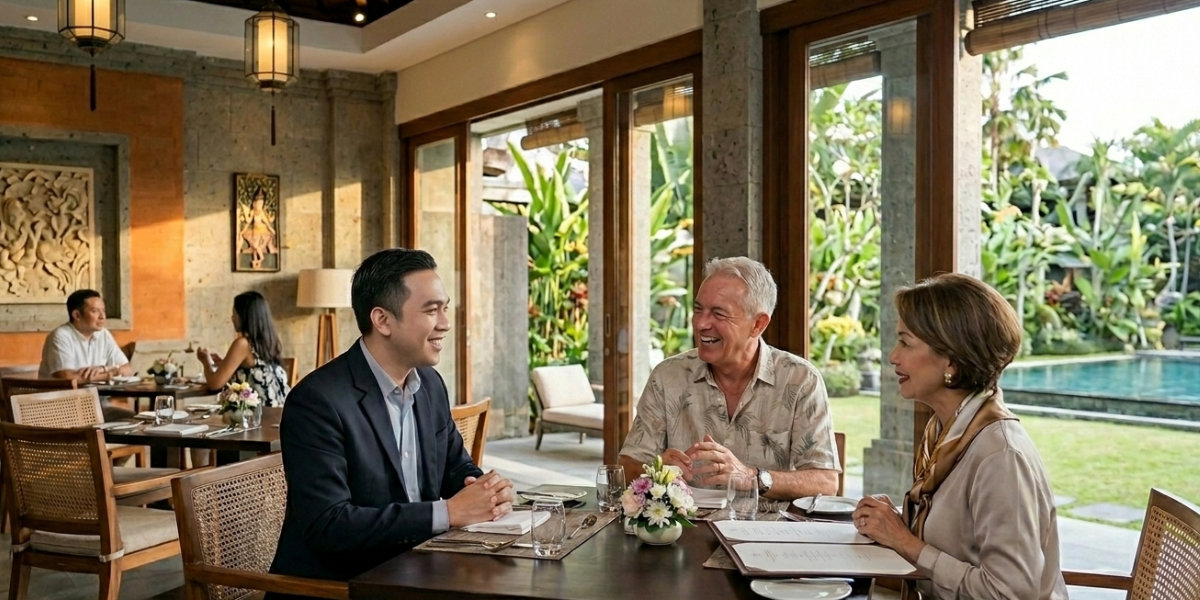
The relationship with ownership and stakeholders adds another layer entirely. A GM often sits between two worlds: the operational reality of running a hotel day to day, and the financial expectations of those who own or invest in the property. These two perspectives do not always align easily. An owner focused on quarterly performance might push for cost reductions that, if not handled carefully, could affect service quality or staff morale. A GM has to translate between these worlds constantly, advocating for the team and guest experience, while also respecting legitimate financial realities. Getting this balance wrong in either direction can have serious consequences, for the business, for the team, or for the GM’s own position.
Crisis management is perhaps where the role is tested most visibly, even if guests rarely see it directly. A power outage during a fully booked night, a sudden illness affecting multiple staff members, a public relations issue that spreads quickly online, a natural event affecting travel to the destination, these situations demand immediate, clear headed leadership.
There is often no time to consult extensively or wait for perfect information. A GM has to make calls quickly, communicate them clearly across departments, and absorb a significant amount of stress in the process, all while projecting calm to staff and guests who are looking for reassurance.
“In a crisis, a hotel team does not need someone with all the answers. They need someone who can stay calm enough to find the next right step, again and again, until the situation passes.”
There is also a personal cost to this role that deserves honest acknowledgment. Long hours are common, especially during peak seasons, major events, or periods of organizational change. Family time can be unpredictable, vacations are sometimes interrupted by urgent calls, and the mental load of “always being reachable” does not switch off easily, even during time away from the property. Many GMs describe a particular kind of fatigue that is less about physical tiredness and more about the constant low level awareness that something, somewhere, might need their attention at any moment.
And yet, despite all of this, many people who have held this role describe it as one of the most meaningful experiences of their careers. There is something deeply rewarding about walking through a hotel during a busy, well run day, watching dozens of moving parts work together smoothly, knowing that behind that smoothness sits years of decisions, relationships, and quiet problem solving that most people will never see or think about. Watching a young staff member grow into a confident department head, turning around a difficult financial period through careful, patient work, or simply walking through a lobby full of happy guests on a night that could easily have gone wrong, these moments carry a weight of their own, a different kind of reward than recognition or title.
“Perhaps the truest measure of a General Manager’s success is this: on the busiest, most complicated days, when everything somehow still works, almost nobody asks how. And for those who do this job well, that quiet invisibility is not a frustration. It is, in its own strange way, the point.”
For anyone considering this path, it is worth understanding both sides honestly. Yes, it is a position of influence, respect, and often genuine privilege, the ability to shape an entire property, a team, and countless guest experiences. But it also asks for resilience, emotional steadiness, and a willingness to carry weight quietly, often without applause, sometimes without anyone fully understanding just how much was held together behind the scenes on any given day.
That, perhaps more than any title or office view, is what this role really is.