There is a peculiar kind of compliment in hospitality, and it goes something like this: “the best engineering department is the one you never have to think about.” No guest checks in hoping to meet the chief engineer. No one writes a glowing review about the air conditioning working perfectly or the elevator arriving on time. And yet, the moment any of these things fail, even briefly, the entire guest experience can shift in seconds.
“Engineering is the only department in a hotel where success is measured by silence. If nothing breaks, nobody notices. If something does, everyone does, immediately.”
This invisible pressure shapes almost everything about how engineering and maintenance teams operate. While other departments are focused on creating memorable moments, engineering is focused on something quieter but equally critical: making sure the environment itself never becomes part of the story.
A perfectly cooked meal served in a room that is too hot, or a beautifully designed lobby with a flickering light, can undo hours of effort from other teams in an instant.
Most guests assume maintenance work happens only when something is reported broken. In reality, the majority of an engineering team’s time is spent on something far less visible: preventive maintenance. This means systematically checking, servicing, and replacing parts in air conditioning units, elevators, plumbing systems, electrical panels, and kitchen equipment, often long before they show any sign of trouble. A well run engineering department operates on schedules and checklists that span months and even years, quietly working through a hotel’s infrastructure piece by piece.
There is a reason for this discipline, and it comes down to a simple truth: in a hotel, almost nothing fails conveniently. Equipment does not wait for a slow Tuesday afternoon to break down. It tends to fail during peak season, during a fully booked weekend, or right in the middle of a large event, simply because that is when systems are under the most strain. Preventive maintenance exists precisely to reduce the chances of these worst case moments, even though success here is invisible by nature, since prevented problems never become stories.
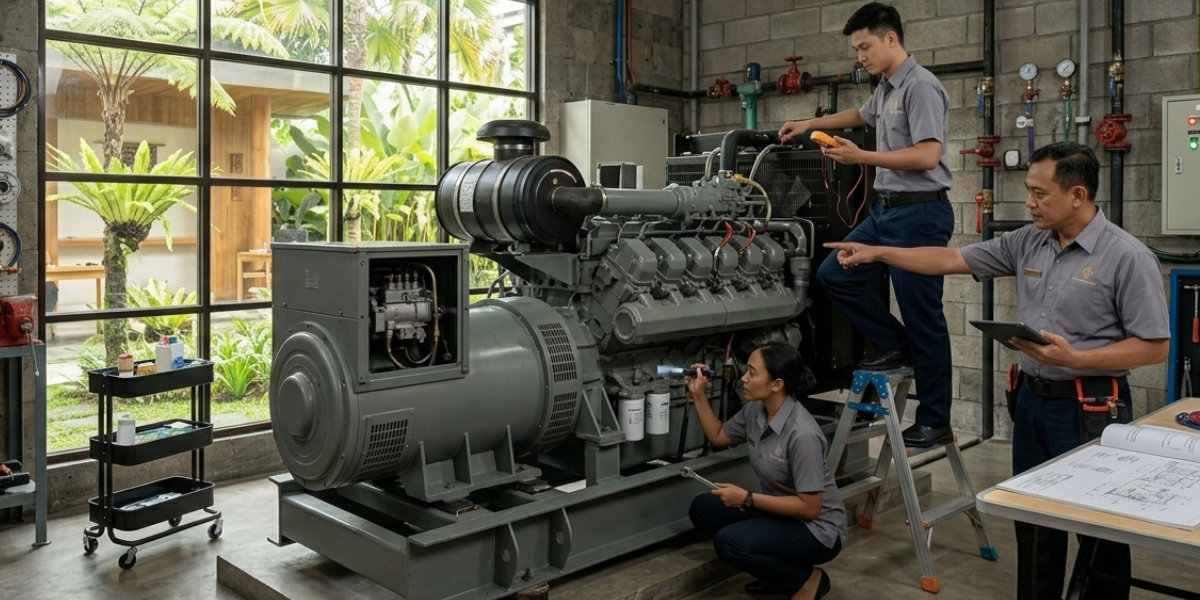
“A guest will never know about the air conditioning unit that was replaced three weeks before it would have failed during a heatwave. They will only ever know if it wasn’t.”
Hotel engineering teams also carry a kind of institutional memory that few other departments have. They often know the building better than anyone, including sometimes the original architects. Which pipes run where, which walls hide old wiring, which rooms have slightly different layouts due to renovations years ago, this knowledge accumulates over time and becomes critical, especially in older properties where original blueprints may be incomplete or long lost. When something unusual happens, a strange noise, an unexplained leak, a flickering circuit, it is often this accumulated knowledge, more than any manual, that helps solve the problem quickly.
Energy management has become an increasingly significant part of this department’s responsibilities in recent years. Hotels consume enormous amounts of electricity and water, and engineering teams are often the ones quietly working behind the scenes to reduce that consumption without guests ever noticing a difference in comfort. Adjusting chiller schedules based on occupancy, optimizing lighting systems, monitoring water usage patterns, these efforts rarely make headlines, but they directly affect a hotel’s operating costs and increasingly, its sustainability commitments.
There is also a side of this job that requires a different kind of skill entirely: calm urgency. When a guest reports no hot water, or an air conditioning unit stops working in the middle of a hot afternoon, the engineering team has to respond quickly, but also communicate clearly with front office and housekeeping about timing, so guests are not left guessing.
A technician working efficiently inside a guest room, explaining briefly what is happening without disrupting their stay further, is performing a kind of service that is easy to overlook but genuinely difficult to do well.
Safety responsibilities also sit heavily on this department’s shoulders, often more than people realize. Fire safety systems, emergency generators, elevator certifications, water quality testing, these are not occasional tasks but ongoing responsibilities governed by strict schedules and regulations. Engineering teams frequently work closely with local authorities and certified inspectors, ensuring that systems guests will hopefully never need, fire alarms, emergency lighting, backup power, are always ready regardless.
What makes this department particularly interesting from a leadership perspective is how cross functional it really is. Engineering interacts with nearly every other team in the hotel, helping the kitchen with equipment issues, working with housekeeping on room readiness, supporting events with technical setups, and even advising management on long term renovation planning. Few departments touch as many corners of hotel operations while remaining so consistently out of the spotlight.
For those exploring careers in hospitality, engineering offers something genuinely unique: the satisfaction of solving real, tangible problems, often under pressure, with results that directly impact comfort and safety, even if those results go unnoticed by the very people they protect. It is a department built on quiet competence, where the highest praise is often simply the absence of complaints.
Perhaps that is the real takeaway here, a reminder that some of the most important work in any hotel happens in places guests rarely think to look, carried out by people whose success is measured not in applause, but in everything going exactly as it should.