Not every departmental relationship in a hotel is built on friction. Some pairings, when they click, create something close to magic, the kind of synergy where one plus one does not equal two, it equals a fully booked restaurant, a buzzing social media feed, and a team that walks around with just a little more energy than usual. If Kitchen versus Service is the classic rivalry, and Sales versus Finance is the strategic negotiation, then Sales & Marketing meets F&B is something different entirely. This is the partnership hoteliers quietly hope for, because when it works, everyone feels it, guests, staff, and the bottom line alike.
“Some departmental relationships exist to balance each other out. This one exists to amplify each other. When Sales & Marketing and F&B move in sync, the result is rarely just ‘more bookings’ or ‘more covers.’ It tends to be something bigger than either department could create alone.”
To understand why this partnership has so much potential, it helps to look at what each side brings to the table, quite literally. F&B creates the experience, the menu, the ambiance, the flavors, the story behind a dish or a concept. Sales & Marketing creates the audience, the people who hear about that experience, get curious about it, and decide to walk through the door. One without the other often falls flat. An incredible dining concept that nobody knows about fills no seats. A brilliant marketing campaign promoting an experience that does not quite deliver creates disappointment instead of loyalty. But when both are aligned, something interesting happens, marketing does not have to “sell” anything, it simply has to tell the truth in an interesting way, because the truth is already good.
One of the clearest examples of this synergy in action is a themed dining promotion, something many hotels do but few execute exceptionally well. Picture a weekend seafood night, or a regional cuisine pop up, or a festive holiday brunch. On paper, this sounds like a simple F&B initiative.
That time includes stripping the bed, remaking it with fresh linen, dusting every surface, cleaning the bathroom thoroughly, restocking amenities, checking the minibar, vacuuming, and doing a final inspection. Multiply that by dozens or sometimes hundreds of rooms a day, and the scale of the operation becomes clear.
Timing is everything in housekeeping, and this is where the real pressure lives. Checkout times and check-in times often overlap in a tight window, sometimes just a few hours apart. A guest checking out at noon and a new guest checking in at two in the afternoon means the room has to be fully cleaned, inspected, and ready in that gap, often while several other rooms on the same floor need the same treatment at the same time. This is why housekeeping teams work with priority lists, focusing first on rooms with early arrivals, VIP guests, or special requests.
But when sales and marketing get involved early, not after the menu is finalized, but during the planning stage, the entire concept often becomes sharper. Marketing might suggest a visual theme that makes the promotion instantly recognizable on social media. Sales might identify corporate clients or loyalty members who would genuinely love this specific concept and reach out personally, rather than relying only on a generic announcement.
“The difference between an average promotion and a memorable one is rarely the food itself. It is often whether marketing understood the story early enough to tell it well, and whether sales knew exactly who would want to hear it.”
This early collaboration changes the entire energy around a launch. Instead of F&B creating something in isolation and then “handing it over” to be promoted, the best results often come from genuinely cross functional planning. A chef might design a dish with a visually striking presentation specifically because marketing mentioned it photographs beautifully for video content. A marketing team might build a countdown campaign around a launch date specifically because F&B confirmed they can sustain quality at scale from day one, avoiding the awkward situation of a promotion going viral before the kitchen is fully ready for the volume.
There is also a quieter, more strategic layer to this relationship that goes beyond single promotions: positioning. Every successful restaurant or bar within a hotel has an identity, whether it is a rooftop lounge known for sunset views, a breakfast spot known for being unexpectedly excellent, or a fine dining venue known for a specific signature dish.
F&B builds that identity through consistency and quality. Marketing builds it through storytelling, photography, and the way it is presented to the world. When these two are misaligned, even briefly, an identity can become confused. A venue marketed as upscale and exclusive but run with a casual, walk in friendly operational style creates a mismatch that guests feel immediately, even if they cannot quite articulate why.
“Positioning is a promise. F&B delivers on it every service. Marketing communicates it every day. When both tell the same story, consistently, a venue stops being just a place to eat, and becomes a destination people specifically choose to visit.”
Sales teams, particularly those focused on corporate accounts and events, also benefit enormously from a strong F&B identity, often in ways that are easy to underestimate. A standout restaurant or bar becomes more than a revenue stream on its own, it becomes a selling point for everything else. A corporate client deciding between two hotels for their next event might be swayed not just by meeting room specifications, but by the fact that their team raved about dinner at the hotel’s restaurant during a previous stay. In this sense, F&B quietly does some of sales’ work simply by being excellent, while sales quietly extends F&B’s reach far beyond walk in guests, into the world of repeat corporate clients, event planners, and group bookings.
Loyalty programs are another area where this partnership tends to shine, though it often goes unnoticed by guests themselves. A returning guest who is recognized not just at the front desk, but also remembered by the restaurant team for a favorite table or a dietary preference mentioned months earlier, experiences something that feels deeply personal. Marketing teams increasingly understand that these small, F&B driven moments of recognition are some of the most powerful tools for building emotional loyalty, far more memorable than a generic discount code ever could be.
“A discount gets someone to come back once. A genuinely remembered preference, quietly acted on by an F&B team, often gets someone to come back for years, and to tell others why.”
There is also something worth mentioning about morale, an aspect of this partnership that rarely makes it into strategy meetings but matters enormously on the ground. When a promotion or event succeeds, when a restaurant is buzzing, fully booked, and guests are visibly enjoying themselves, the energy in that space is contagious. Kitchen staff feel it. Service teams feel it. And when sales and marketing visibly celebrate that success, sharing photos, thanking the team, highlighting their work publicly, it reinforces something important: that F&B’s hard work is seen, valued, and connected to the hotel’s broader success, not happening in isolation behind a kitchen door.
This is perhaps the quieter magic of this particular partnership. Unlike tensions that require careful management to prevent friction, this relationship, when nurtured, tends to create its own positive momentum. A successful F&B concept gives marketing genuinely exciting content to share. That content attracts more guests. More guests create more energy in the venue. That energy makes staff proud of where they work, which often translates into even better service. And better service, in turn, gives marketing even more authentic stories to tell. It becomes a cycle that feeds itself, as long as both departments keep showing up for each other.
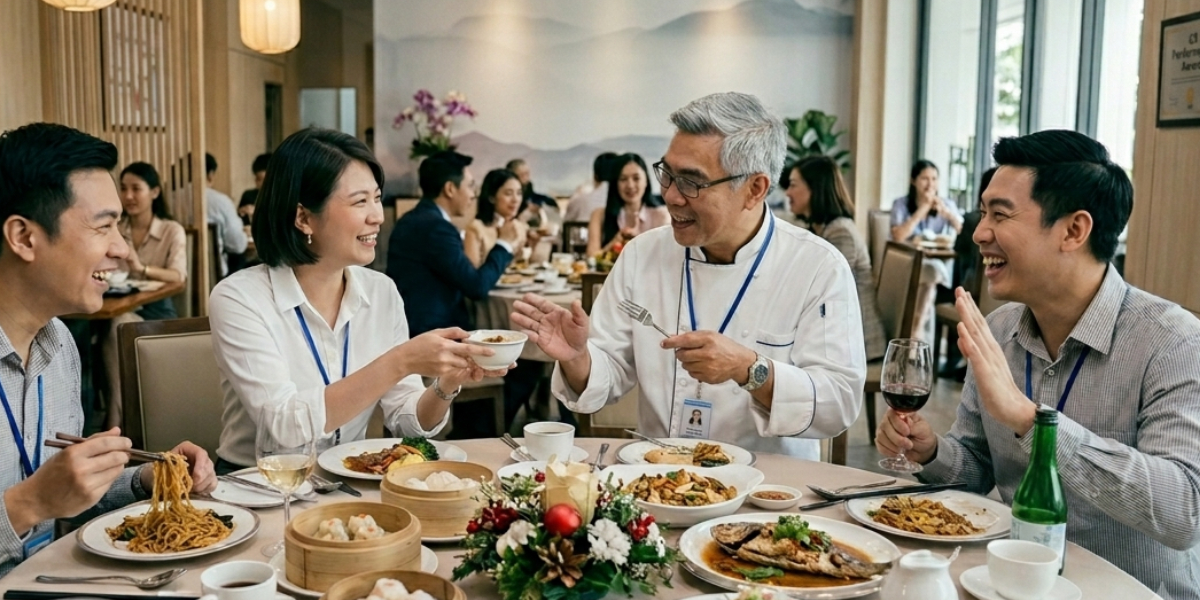
For anyone newer to hospitality, this partnership offers a wonderful lesson early on: that some of the best results in a hotel do not come from departments protecting their own lane, but from finding the moments where two different kinds of expertise, culinary creativity and storytelling, genuinely meet. Those moments are rarely accidental. They tend to happen in hotels where communication between F&B and Sales & Marketing is treated not as occasional collaboration, but as an ongoing, almost natural conversation.
Perhaps that is the real takeaway from this pairing. While other departmental relationships are often about managing differences, this one is about discovering how much more is possible when two strengths genuinely combine, a reminder that in hospitality, the most exciting results rarely come from one department working brilliantly alone, but from two departments choosing, again and again, to create something together.